
Nespresso Blinking Lights Decoded (Vertuo & Original)
 By Marco R. · Lead repair technician Updated June 18, 2026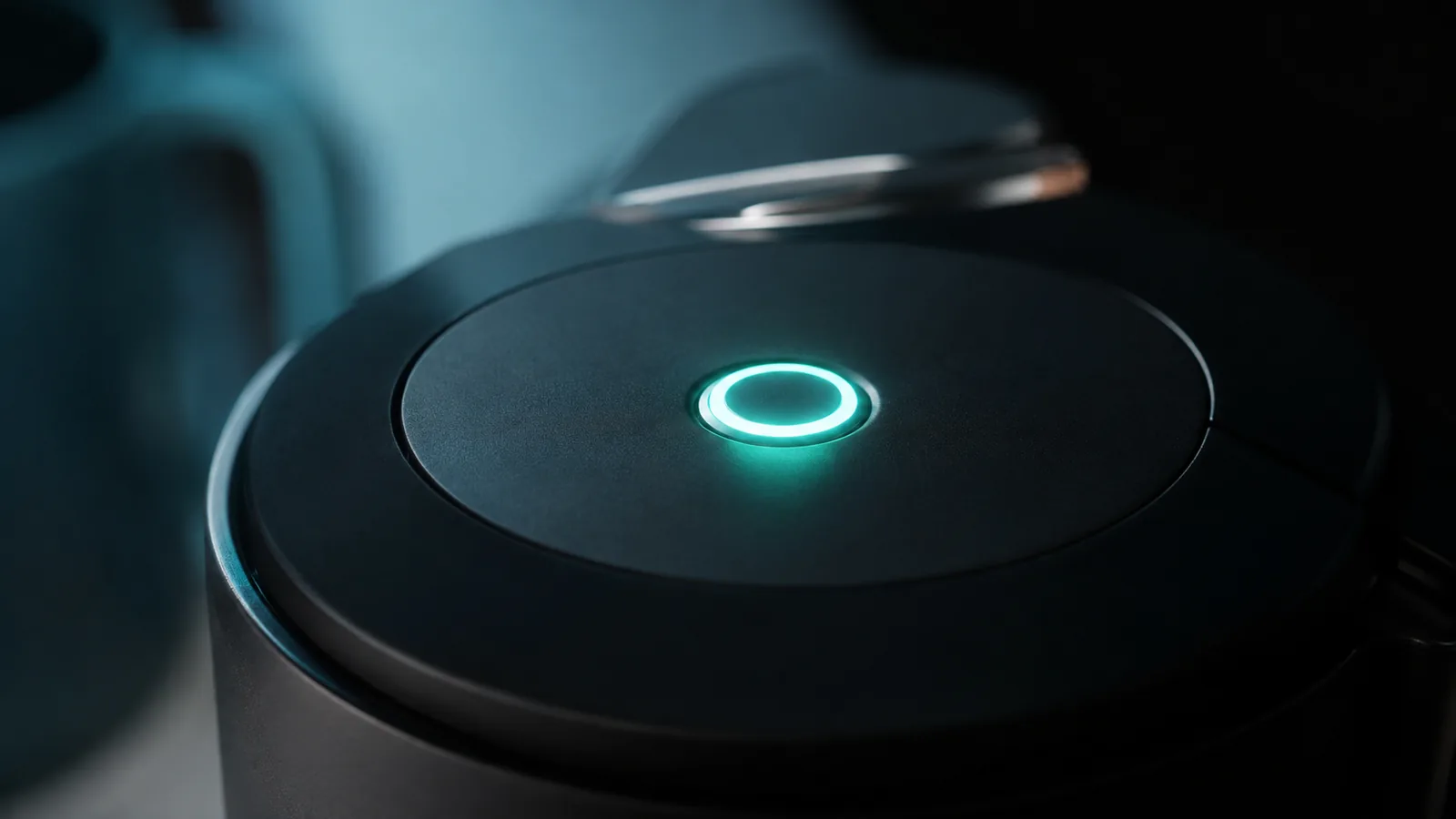
Nespresso machines don’t show numbers or words — they blink. Each light pattern is the machine telling you something, and once you can read the dialect, the mystery disappears. Across both Vertuo and Original ranges, the patterns fall into a few buckets: heating, ready, descale-due, and fault (a stuck head, a jammed capsule, or overheating). This guide covers the universal Nespresso language; for the exact Vertuo sequences and steps, see the Vertuo guide.
The blink language
| Pattern | Usually means | Do this |
|---|---|---|
| Steady light | Ready | Brew |
| Slow pulse | Heating | Wait (~20–30 s) |
| Regular repeating blink | Descale due | Run descale |
| Erratic / rapid blink | Fault (head, capsule, heat) | Reset & clear |
| No light | No power | Check outlet / reset |
Descale: the most common “fault”
A regular repeating blink — often after roughly 300 capsules — means descaling is due. It’s the single most common Nespresso alert. Run the descale cycle (descaler in the tank, container under the spout, enter descale mode for your model), then rinse with fresh water. The blink clears when the cycle completes. See our descaling guide.
Fault blinks: head, capsule, heat
Erratic or rapid blinking usually means a mechanical or thermal issue:
- Head/lever not closed → lock it fully.
- Jammed capsule → clear the capsule area (machine off).
- Overheating from back-to-back cups → let it rest 10–15 minutes.
A reset (off, unplug a minute, on) clears most stuck blink states.
Vertuo vs Original
- Vertuo reads a barcode on each capsule and spins to brew; faults often involve the head not closing, an unreadable/wrong capsule, or descale.
- Original (Pixie, Inissia, Citiz) uses two-button blink codes; patterns differ but the categories — heating, descale, fault — are the same.
Match your exact model for the precise sequence.
Common mistakes
- Mistaking the heating pulse for a fault.
- Ignoring the descale blink until flow and heat suffer.
- Not closing the head fully, then blaming the machine.
- Running many cups in a row and overheating it.
- Skipping the rinse after descaling.
Decode the exact pattern
For the full, model-specific blink sequences and reset steps, see the Nespresso Vertuo guide, and browse other brands on the error codes page.
Free: the Espresso Fix-It Cheat Sheet (PDF)
The 1-page printable that takes any fault to its cause, plus the maintenance schedule that prevents most breakdowns. Straight to your inbox.
By subscribing you agree to receive emails from BaristaFix and to our Privacy Policy. No spam — unsubscribe anytime.Frequently asked questions
What do the blinking lights on my Nespresso mean?
Why is my Nespresso blinking and not making coffee?
How do I descale a Nespresso machine?
How do I reset my Nespresso?
Why does my Nespresso overheat or stop mid-brew?
Marco spent twelve years servicing espresso machines — first behind the bench at a specialty café group, then running his own repair workshop. He has stripped down, fixed and reassembled everything from a battered Gaggia Classic to high-end Swiss automatics. He writes the fixes here only after reproducing the fault on a real machine, and he'll always tell you when a repair isn't worth the money.