
Espresso With No Crema? Why It's Missing and How to Get It Back
 By Marco R. · Lead repair technician Updated July 2, 2026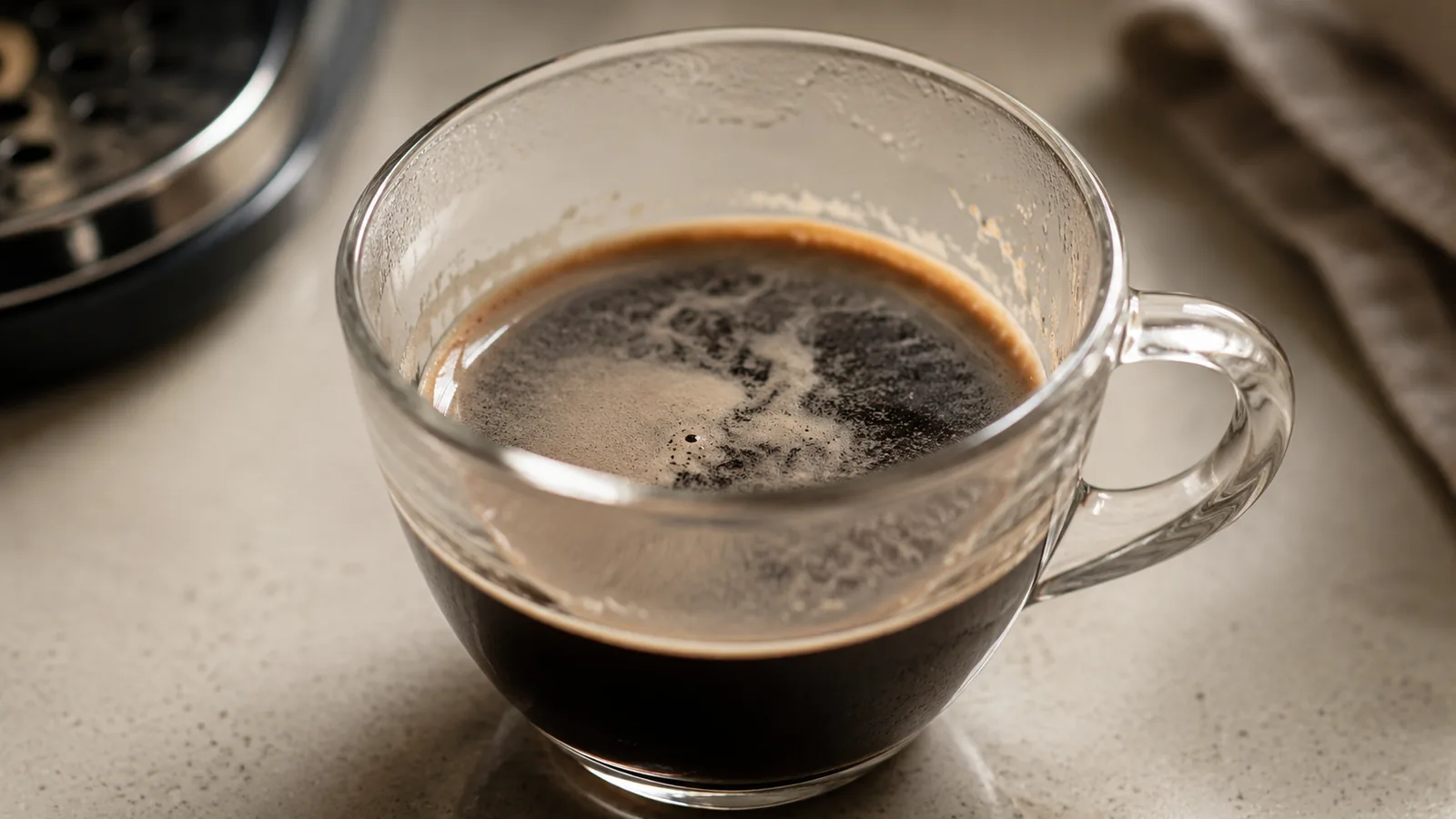
A shot with a thick, stable, hazelnut-coloured crema looks like you know what you’re doing. A flat, dark shot with a thin ring of bubbles that pops in seconds looks like the machine failed — but it almost never did. Crema is made almost entirely by the coffee, and the three things it needs are simple: reasonably fresh beans, a fine enough grind, and enough dose to build pressure. Miss any one and the crema goes with it. This guide explains what crema actually is, why yours is missing, and how to bring it back on any espresso machine.
What crema actually is
Crema is a foam of coffee oils and tiny gas bubbles, held together by the fine solids the pressurised water carries out of the puck. Most of those gas bubbles come from carbon dioxide trapped in the beans during roasting. That single fact explains almost everything about crema:
- Beans lose CO2 steadily after roasting, so freshness is the biggest lever.
- The water needs to build real pressure in the puck to emulsify the oils — which means a fine enough grind and a full basket.
- Ground coffee stales in hours to days, not weeks, so pre-ground = almost no crema.
Once you see crema as “fresh gas plus pressure,” the causes below stop being mysterious.
The causes, in the order to check them
1. Stale or pre-ground coffee — by far the most common
What it looks like: flat, dark shots with a whisper of crema that vanishes instantly, no matter what you change. Why: the CO2 that makes crema has already escaped. Pre-ground coffee is the worst offender because grinding multiplies the surface area and it goes flat within days. How to confirm: check the roast date. No date on the bag is itself a red flag. Months old, or pre-ground, and this is your answer. Fix: buy whole beans with a printed roast date and use them within about a month; grind fresh for each shot.
2. Grind too coarse
What it looks like: a fast, pale shot with little crema, often tasting thin or sour. Why: coarse coffee lets water race through without building the pressure that emulsifies oils. How to confirm: time a double — under ~20 seconds and pale means too coarse. Fix: grind finer, one step at a time, until a double takes 25–30 seconds. This alone rescues a lot of “no crema” shots. See grind size.
3. Dose too low / basket not full
What it looks like: thin crema and a shot that feels weak and watery. Why: an under-filled basket gives the water too little coffee to push against, so pressure — and crema — never build. How to confirm: weigh your dose, or check whether the tamped puck sits well below the screen. Fix: fill the basket to its intended dose (commonly ~18 g for a double in a standard basket) and tamp level.
4. Single-wall basket without a real grinder
What it looks like: you switched from the “dual wall” basket to a single-wall one and your crema disappeared. Why: pressurised (dual-wall) baskets fake crema with a valve; single-wall baskets make real crema but demand fresh beans and a good burr grinder. How to confirm: it lines up with the basket swap. Fix: either go back to the pressurised basket, or commit to fresh beans and a proper grind. Pre-ground in a single-wall basket will never crema well.
5. Wrong or worn-out beans for espresso
What it looks like: light-roast beans, or very old oily ones, giving little crema. Why: very light roasts hold less soluble oil and gas; very old oily beans have gassed off and can taste stale. How to confirm: compare against a fresh medium roast. Fix: for reliable crema, a fresh medium to medium-dark roast is the easiest starting point.
6. Low temperature or pressure (the rare hardware end)
What it looks like: everything above is right — fresh beans, fine grind, full dose, single-wall basket — and crema still won’t form. Why: a shot pulled cold, or a machine not reaching full pressure (worn pump, stuck over-pressure valve, or a leaking group gasket bleeding pressure around the puck) can’t emulsify properly. How to confirm: it’s the last box left after ruling out the coffee. Fix: let the machine fully heat, replace a hardened group gasket, and if pressure is genuinely low, see no pressure / weak shots.
By machine type
- Portafilter machines: crema is all about beans, grind, dose and basket type. A single-wall basket plus fresh beans and a burr grinder is the recipe.
- Bean-to-cup automatics: they use pressurised brew groups, so you’ll usually get some crema even from older beans — thin, fading crema here means old beans or a grind set too coarse; nudge the grinder finer and use fresh beans.
- Pod machines: capsules are sealed to preserve gas, so crema is usually reliable. Sudden loss of crema on a pod machine points to a clogged head or a descale being due, not the coffee.
Common mistakes
- Judging crema from pre-ground or dateless supermarket coffee and blaming the machine.
- Expecting single-wall crema from a coarse grind — the pressurised basket spoiled you.
- Under-dosing a basket, so pressure never builds.
- Storing beans in the fridge or in sunlight, which speeds staling.
- Buying huge bags you can’t finish inside a month.
Repair or replace?
There’s almost nothing to repair here — no crema is a coffee-and-technique problem, not a broken part, for nearly everyone. The fixes cost the price of a fresh bag of beans and a few minutes dialling the grind. The only genuine hardware causes — a worn pump or a leaking group gasket — are rare, cheap (a gasket) to fix, and come last, only once fresh beans and a proper grind still give nothing.
Stop it happening again
Buy fresh whole beans with a roast date, grind fresh for each shot, and finish a bag within about a month. Dial the grind for a 25–30 second double, weigh your dose to fill the basket, and use a single-wall basket with a real grinder if you want true crema. Keep the machine clean and descaled so it reaches full pressure and temperature. Do that and a thick, stable crema stops being luck and becomes the default — and if the taste is still off, work through bitter or sour espresso next.
Free: the Espresso Fix-It Cheat Sheet (PDF)
The 1-page printable that takes any fault to its cause, plus the maintenance schedule that prevents most breakdowns. Straight to your inbox.
By subscribing you agree to receive emails from BaristaFix and to our Privacy Policy. No spam — unsubscribe anytime.Frequently asked questions
Why does my espresso have no crema?
Is no crema a sign of bad coffee or a bad machine?
Why is my crema thin and disappearing fast?
Can stale beans really kill crema completely?
Do pressurised baskets make more crema?
Does no crema mean my espresso will taste bad?
I have a good machine and fresh beans but still no crema — now what?
Marco spent twelve years servicing espresso machines — first behind the bench at a specialty café group, then running his own repair workshop. He has stripped down, fixed and reassembled everything from a battered Gaggia Classic to high-end Swiss automatics. He writes the fixes here only after reproducing the fault on a real machine, and he'll always tell you when a repair isn't worth the money.